
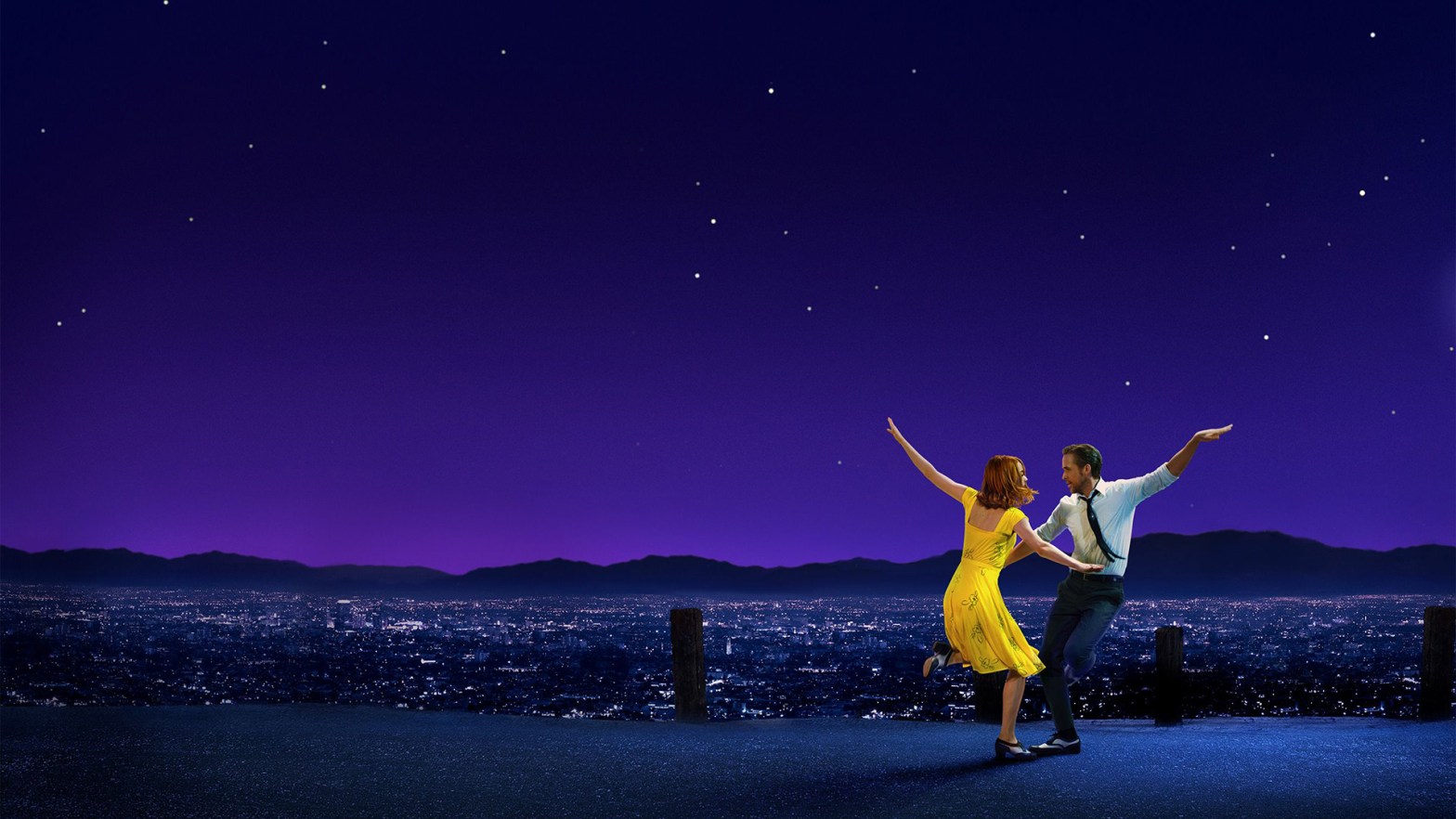
Background: For one of my university modules within my penultimate semester, we were tasked with analysing the cultural and ideological discourses of a film or TV show. I picked La La Land as it’s my favourite film (and I wanted a good excuse to rewatch it). This essay is one of my highest scoring pieces of work I’ve done across my whole degree and I am extremely proud of it. Note: Major spoilers ahead. While you are welcome to reference this in an essay, this is not endorsed as an academic source, all my original citations are referenced below. Also, do not plagiarise or attempt to reproduce this work as your own, it will be recognised by plagiarism software.
Introduction
La La Land (2016) is a musical romantic comedy about two people’s pursuits of their dreams and the cost of such on their relationship. The film utilises a range of post-modern techniques to perpetuate discourse surrounding social phenomena such as the American Dream, individualism and Nostalgia for Classic Hollywood and the bygone Jazz Age. In this essay, the synopsis of La La Land will be outlined, followed by semiotic deconstruction of the film through its setting, costumes and themes. Post-modern theory will be applied to discuss the discourses presented surrounding nostalgia and anemoia. As such will also be done to discuss the discourses of the American Dream and individualism to comprehensively analyse the range of cultural and ideological discourses and ideals presented within the film.
Overview
La La Land is a 2016 musical romantic comedy written and directed by Damien Chazelle. It follows Mia (Emma Stone), an aspiring actress and Seb (Ryan Gosling), a jazz pianist both living in Los Angeles as they meet and fall in love while striving for their own individual success. As they both work towards making their individual dreams come true, this comes at the cost of their personal relationships.
Nostalgia and Anemoia
One major aspect of ideology and cultural discussion that La La Land (2016) engages in is nostalgia for the purposes of critiquing modernity. Claude Levi-Strauss argues that binary oppositions are features of cultural texts that provide the reader with the meaning of that text (Klages, 2007). Derrida additionally adds that within binary opposites, one is given a higher cultural value than the other; where one is positive, and the other negative (Klages, 2007). La La Land (2016) employs many binary opposites to perpetuate discourses around the superiority of the past. For example, Jazz is valued over Pop and tradition over innovation. This is evident through Seb’s desire to open a jazz club playing “pure jazz” as well as his discontent with any attempt to modernise the genre. Seb admires legends of Jazz such as Louis Armstrong, Kenny Clarke, Thelonius Monk and Sidney Bechet and reveres them for “[making] history”. Additionally, discussion of cinema by Mia usually references the Classic Hollywood era (Carew, 2018). Moreover, institutions within the film perpetuating the other side of the opposite are shown to be adverse such as the self-absorbed writer Carlo (Jason Fuchs) seen at the party. The emphasis on Jazz and Tradition and the persistent themes of the staunch traditionalist view of Seb and his narrow view of music as well as Mia’s deep reverence for films of the Classic Hollywood era becomes a signifier (de Saussure, 1916, cited in Klages, 2007) of the superiority of nostalgia within La La Land (2016) and how that clashes against the modernity.
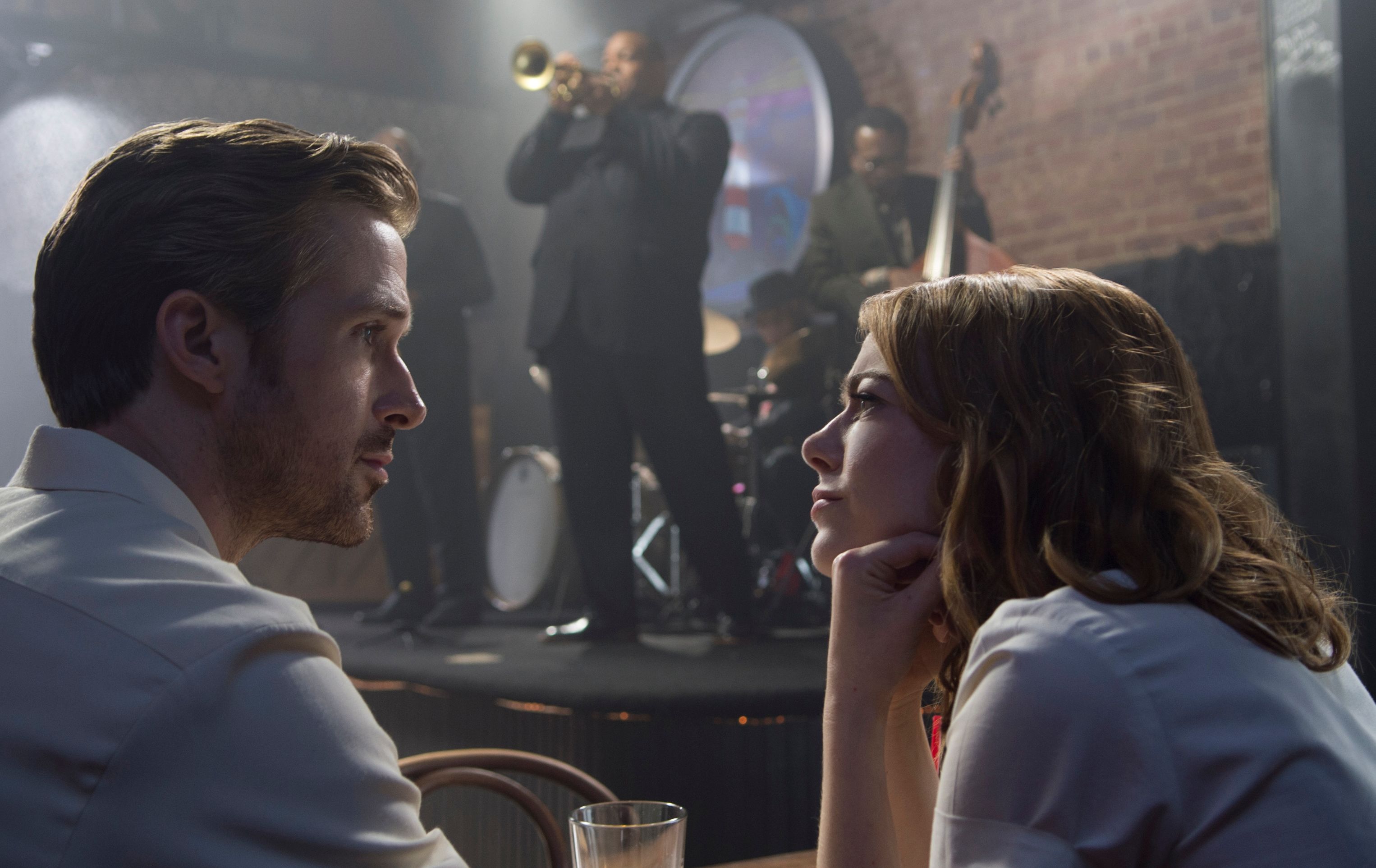
Another way in which La La Land (2016) perpetuates the superiority of the past through post modernism is by using simulacra. The film creates a simulacrum of Hollywood and simulates the classic Hollywood era. Baudrillard (1981) theorises that a simulacrum is a representation without an original in which it copies, simulacra is reality. La La Land does not copy or imitate L.A. but instead creates an image with no original. Within La La Land (2016), both the setting and stylisation contribute to the simulacrum of classic Hollywood portrayed in this film. The costumes tend to consist of bold single colours and reflect a dress style more consistent with the 1980s than the present day. Bright, bold colours are also seen within the setting, notably the clear blue skies of the consistent idyllic weather within the film; although the film moves through every season, there is nearly no difference in the weather in each and it remains perpetually sunny. This signifies unrealistic perfection of L.A. and is signified through the opening music number ‘Another Day Of Sun’ (La La Land, 2016) suggesting that the simulacrum we see, perpetuating nostalgia, is the best version instead of modernity. Additionally, the film utilises certain iconic but historic landmarks within L.A. such as The Rialto Theatre and the Angels Flight funicular railway. Both were defunct at the time of filming and within the time of the present day that the film is set in. This further constructs the simulacrum of L.A. and Hollywood that is being presented to us within the film as there does not exist a reality that these landmarks operate how they once did, yet this is the reality that is presented to us within the film, again perpetuating a simulation of nostalgic Hollywood.
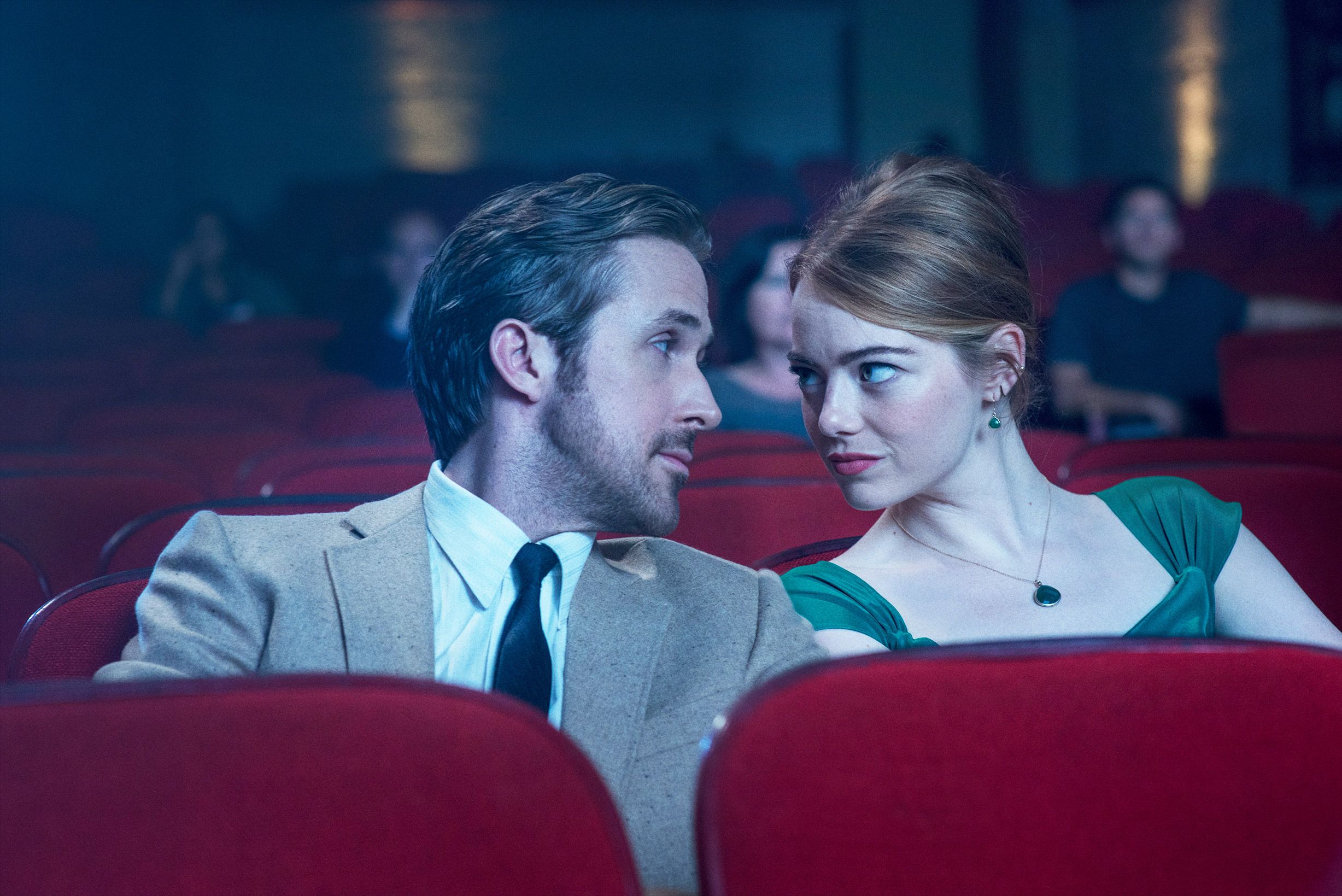
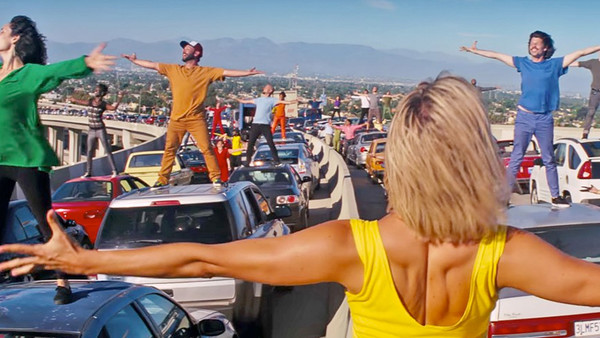
Furthermore, the musical genre of the film aims to simultaneously honour the genre as well as reworking it through bricolage, intertextuality and pastiche to perpetuate nostalgia. Jameson (2012) defines pastiche as a “blank parody” (p.17): it is a neutral imitation of a unique style; Bricolage refers to the construction of something new through piecing together elements of other sources (Mambrol, 2016); Intertextuality refers to the references to other texts in a text (Bezrukov, 2018). La La Land draws on pastness (Jameson, 2012) such as the large ensemble number reminiscent of West Side Story (1961) yet instead setting it within a traffic jam, the dance sequences, particularly ‘A Lovely Night’ both drawing on elements within Swing Time (1936) and Singin’ in the Rain (1952), as well as explicit references such as to the Griffith Observatory in Rebel Without a Cause (1955) which Mia and Sebastian watch and then in which the subsequent scene is set. However, while La La Land alludes to the Hollywood Golden Era of the 1920s to the 1960s, as well as the jazz age of the 1940s, this is evidently not a time many both creating and consuming will have firsthand experience of, therefore La La Land (2016) perpetuates a nostalgia for someone else’s nostalgia: anemoia, a yearning for the past that one has never experienced (Jarrett, 2023) by utilising the rework of genre and emphasising pastness through pastiche, bricolage and intertextuality to critique modernity.
The American Dream and Individualism
Another aspect of social phenomena exhibited largely within La La Land (2016) is the notion of the American Dream. Wolak and Peterson (2020) define the American Dream as the vison that anyone in the United States regardless of their position can achieve success and obtain a quality of life better than previous generations if they are willing to work hard. La La Land upholds the myth of this concept and provides hope of the possibility of the American Dream.
Binary opposites (Klages, 2007) are utilised again to perpetuate the concepts of individualism and self-made success such as dreams and reality, art and commerce, and integrity and selling out. Overarchingly, the binary opposites of professional success and personal relationships are presented as a key point of contention with the resolution of tension ultimately happening because professional success is chosen over personal relationships by Mia moving to Paris for an acting role and Seb moving toward his dream of owning a jazz club. Dreams are emphasised over reality within the film as characters take risks instead of choosing a safe path as well as fantastical sequences and elements within the film. Integrity and art are emphasised over commerce and selling out through the adverse presentation of characters trying to perpetuate the other side of the opposite such as the writer, Carlo who wants to retell ‘Goldilocks and the Three Bears’ from the bears’ perspectives and therefore defacing a classic and Seb’s bandmate, Keith (John Legend), who wants to make Jazz more modern. Mia and Seb’s individual successes in following their dreams and the emphasis of taking risk in that provides hope for the audience and upholds the idea of the American Dream.
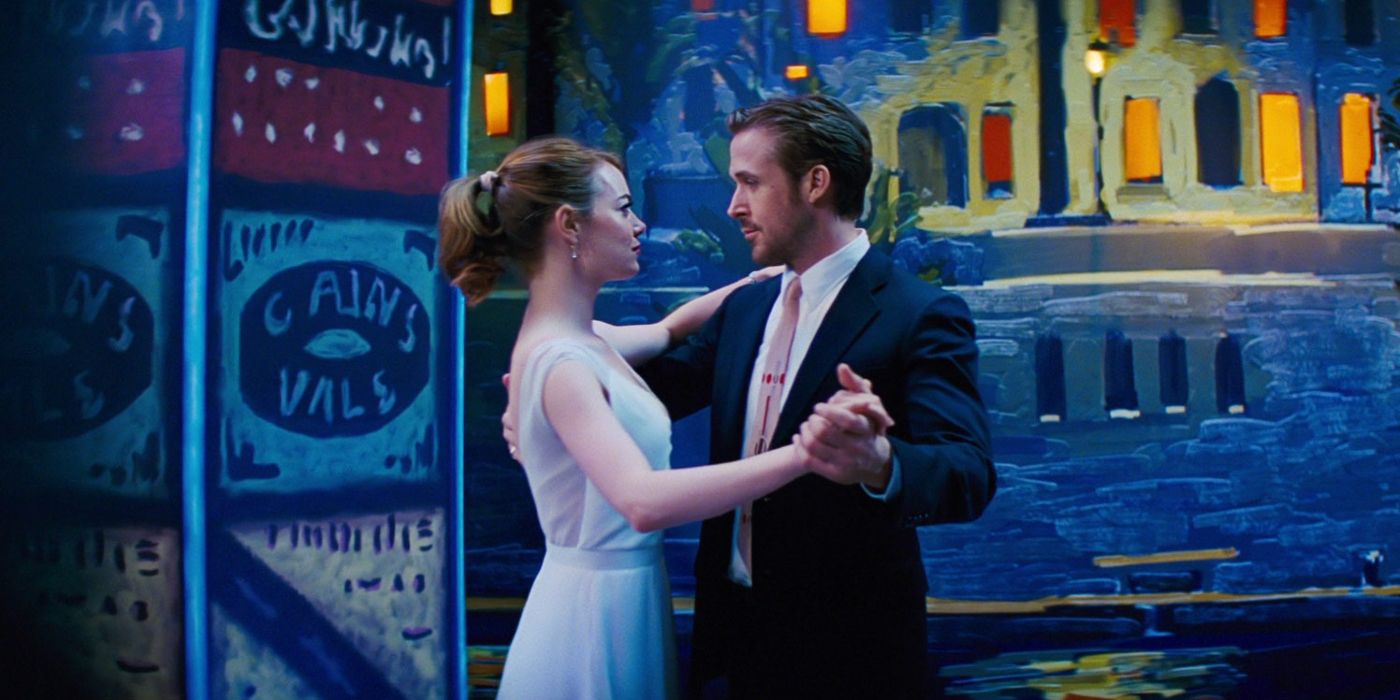
Symbolic Interactionism underlines the perpetuation of Individualism and the American Dream as ideologies. Symbolic Interactionism argues individuals act based on meanings they have for objects; this meaning comes from social interaction and meaning is created and modified through interpretive processes (Carter and Fuller, 2016). As Mia talks about how she got into acting, by watching old movies with her aunt and writing her own plays, Seb calls her “a child prodigy playwright” and later they argue about Seb’s supposed change in dream after he sidelines his original dream. Not only do these interactions motivate them toward success but it reinforces their dreams as part of their identities such as Mia being an actress and Seb being a jazz musician.
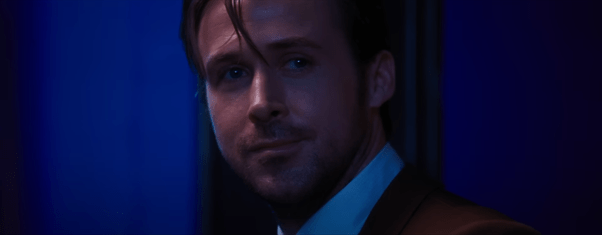
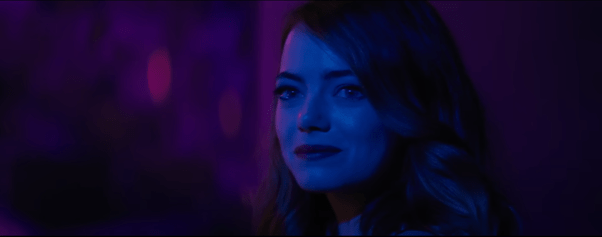
However, while the film does support the possibility of the American Dream, it also is critical of it. The issues of individualism and the concept of dreams coming true is not shown to be inherently fulfilling as suggested through the final fantasy sequence as Mia imagines a different version of her life that Seb is still a part of. This diverted narrative from what may be typically expected is a pastiche (Jameson, 2012) of The Umbrellas of Cherbourg (1964) that also similarly diverts from a traditionally happy ending. Despite this, Barthes argues within ‘Mythologies’ (1993) that cultural texts perpetuate unchallenged cultural convictions of myth. Although Mia and Seb both face strife such as facing rejection, being sidetracked in the pursuit of security, as well as not receiving a conventionally happy ending, it culminates in both achieving success through hard work. Therefore, La La Land does perpetuate the myth that achieving the American Dream is within reach for anyone (Pileggi et al., 2000) which provides hope and upholds belief in the American Dream.
Conclusion
In conclusion, La La Land utilises distinct postmodern features to present a range of ideological and cultural discourses. It constructs a simulacrum of L.A., emphasising pastness, and draws on styles and themes of previous texts from the jazz age and the Hollywood Golden Era to romanticise the unexperienced past and critique modernity. Additionally, binary opposites are employed to emphasise the values of the film and the characters as well as symbolic interactionism to display how Mia and Seb push toward their goals. Their success provides hope in the American Dream as well as critiquing the sacrifices that come with it.
Reference List
Barthes, R. (1993) Mythologies. London: Vintage.
Baudrillard, J. (1981) Simulacra and Simulation. Michigan: The University of Michigan Press
Bezrukov, A.N. (2018) ‘Intertextuality Reception in Postmodernist Discourse’, Przegląd Wschodnioeuropejski, 8(2), pp. 263–271. doi:10.31648/pw.3585.
Carew, A. (2018) ‘Same Old Song: NOSTALGIA AND FANTASY IN LA LA LAND’, Screen Education; Melbourne, 2018(90), pp. 8–15. doi: https://www.proquest.com/scholarly-journals/same-old-song-nostalgia-fantasy-la-land/docview/2279773448/se-2?accountid=10077.
Carter, M.J. and Fuller, C. (2016) ‘Symbols, meaning, and action: The past, present, and future of Symbolic Interactionism’, Current Sociology, 64(6), pp. 931–961. doi:10.1177/0011392116638396.
Jameson, F. (2012) Postmodernism, or, the cultural logic of late capitalism. Durham: Duke University Press.
Jarrett, C. (2023) ‘Anemoia: the psychology behind feeling nostalgic for a time you’ve never known’, BBC Science Focus, 21 September. Available at: https://www.sciencefocus.com/the-human-body/anemoia-nostalgia (Accessed: 17 November 2024).
Klages, M. (2007) Literary theory: A guide for the perplexed. London: Continuum.
La La Land (2016) Directed by Damien Chazelle. Available at: Amazon Prime Video (Accessed: 12 November 2024)
Mambrol, N. (2016) Claude Levi Strauss’ Concept of Bricolage, Literary Theory and Criticism. Available at: https://literariness.org/2016/03/21/claude-levi-strauss-concept-of-bricolage/ (Accessed: 17 November 2024).
Pileggi, M.S., Grabe, M.E., Holderman, L.B., de Montigny, M. (2000) ‘Business as Usual: The American Dream in Hollywood Business Films.’ Mass Communication & Society, 3(2-3) pp.207-228. doi: http://dx.doi.org/10.1207/S15327825MCS0323_03
Wolak, J. and Peterson, D.A. (2020) ‘The Dynamic American Dream’, American Journal of Political Science, 64(4), pp. 968–981. doi:10.1111/ajps.12522.
 Beyond The Fourth Wall